
Why a sycamore seed pod beats every toy in the box
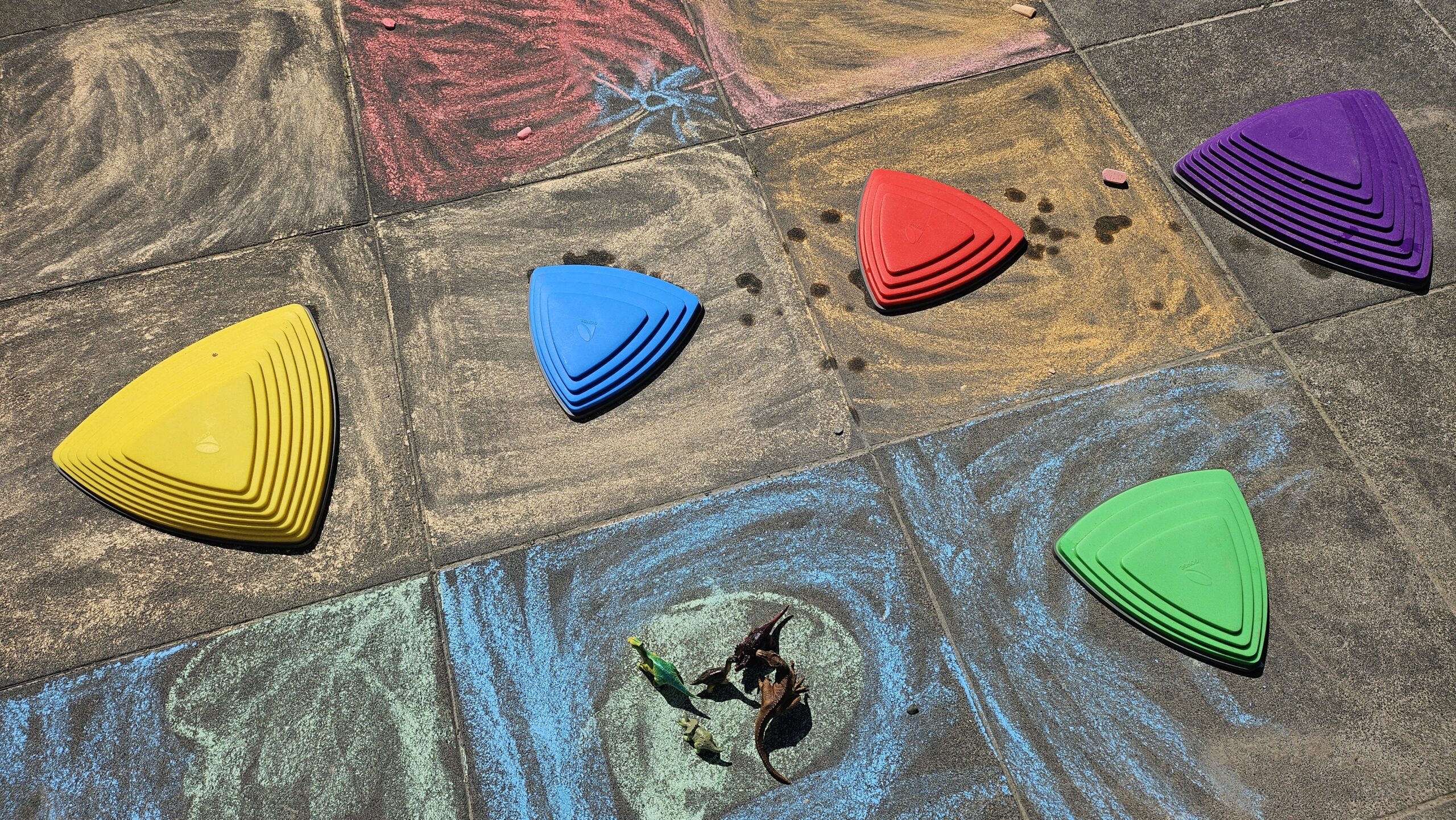
Our backyard is a screen-free sandbox: within ten minutes the water table turns into a mud bath, and a scavenged sycamore seed pod outperforms every toy we brought outside. This is how two young kids reverse-engineer the laws of physics.
In short (~30 seconds)
- What: backyard as open-ended play: water table becomes mud bath, chalk lava, gravity tests with anything that flies.
- Winner: sycamore seed pod beats ping pong ball and marbles in our unofficial aerodynamics test.
- No lesson plan: kids reprogram the rules (scavenging in the alley, marble rescue); you do not need to play physics teacher.
- KidTech link: the analog base where later tech ideas (sandbox, reverse-engineering) land.
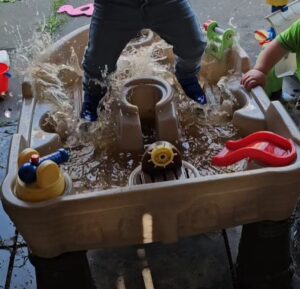
Manufacturers sell water tables with idyllic pictures of children calmly sailing plastic boats. But it has never gone that way in my backyard. Well, maybe when the oldest was just 1 year old. Even the pirate ship in our garden turns out to be unexpectedly open-ended. Within ten minutes the carefully set-up water table is beyond recognition.
It starts with all the toys being thrown out of the table in a big arc. Why? Because the table is much more interesting if you sit or jump in it (it’s very sturdy!). My boys immediately reprogram the whole thing and transform the water table into a far too cramped, muddy outdoor bath. From the real inflatable pool in the garden they run with buckets of water to refill the water table, glancing over their shoulder to see who is fastest.
And the activity does not stop when water sloshes over the edge. That is when the next game begins. Armed with dustpan and brush they happily spend a quarter of an hour ‘sweeping’ the flooded tiles, which in practice means the mud spreads further.
Chalk lava and the weather simulator
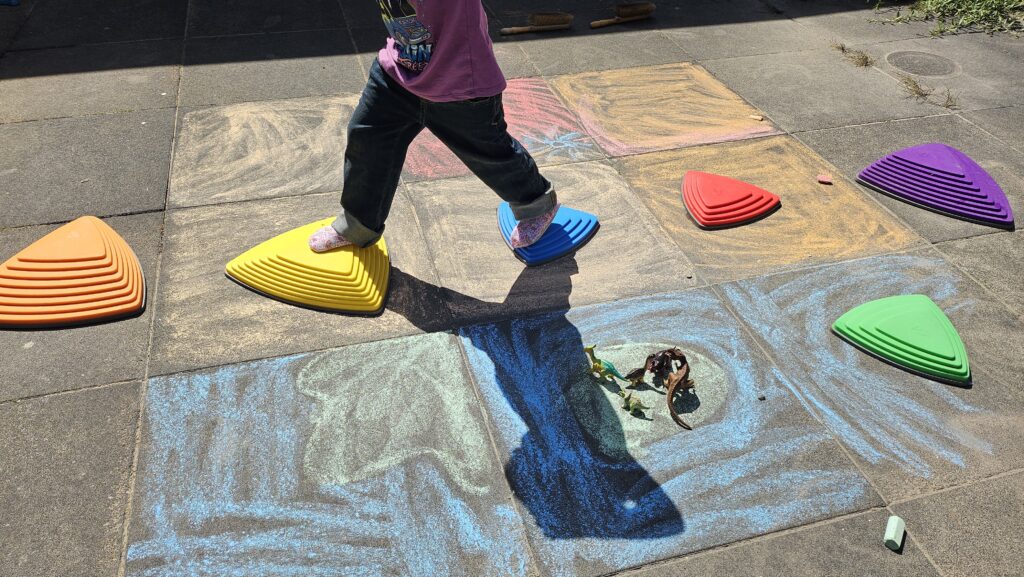
With sidewalk chalk we transform the rest of the garden. A number of tiles are coloured completely blue (the sea where the sharks swim), others bright red: glowing hot lava. And here the Gonge river stones come in handy. They do not fit in the water table at all, but they are the perfect safe islands to jump over the lava. On another island stand the dinosaurs that fled before the volcanic eruption. Along the way lie the dinosaurs that did not make it, a dramatic scene inspired by one of their favourite picture books.
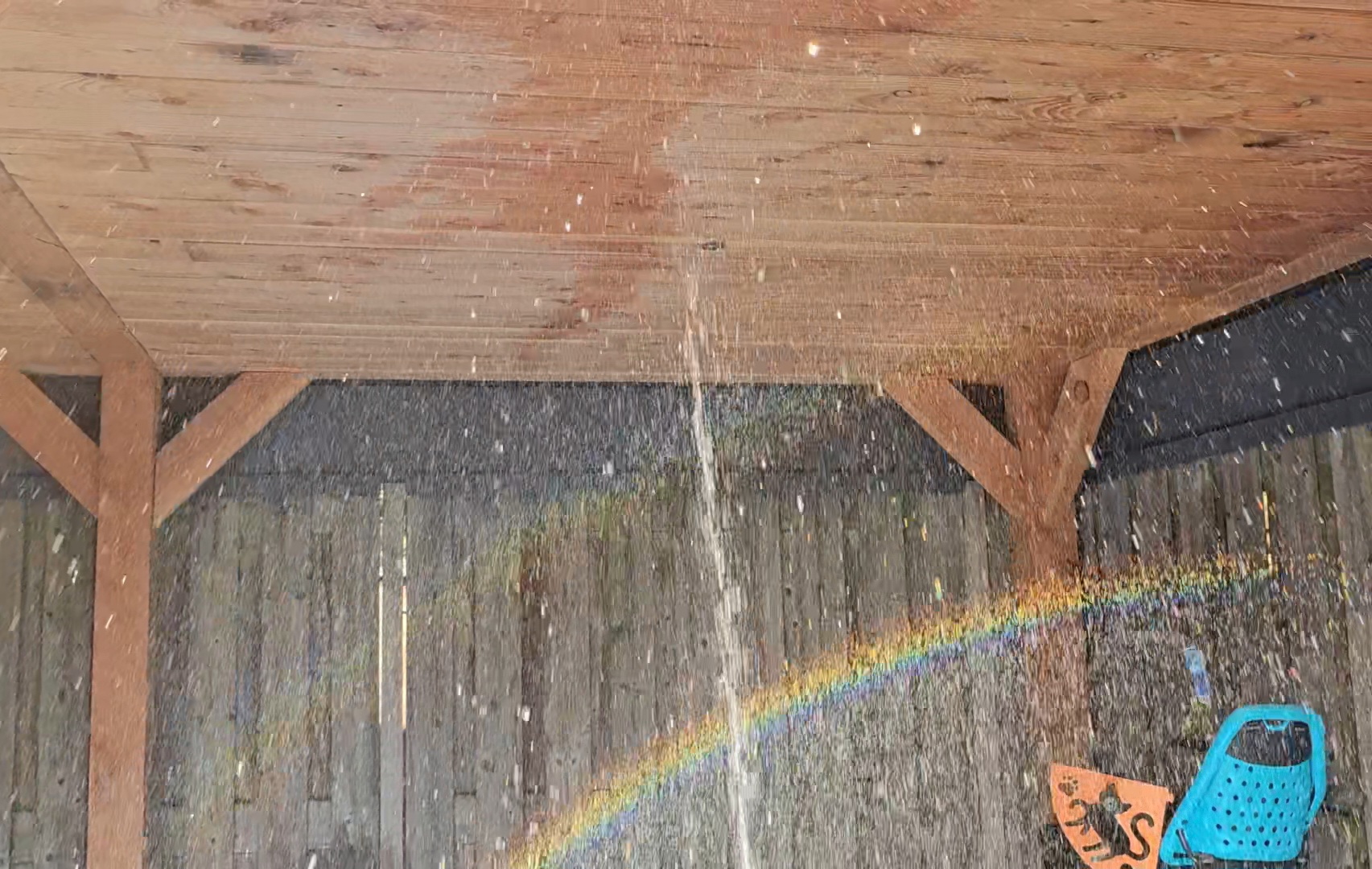
As if there is not enough water already, the oldest connects the garden hose. He is not satisfied with the gentle spray setting. No, the hard jet has to go on, straight against the roof of the patio cover. The result? Two rainbows and heavy raindrops falling on top of him while he stood happily jumping and laughing in the little pool: ‘Mum look, it’s raining.’
Where last year our fig tree was the victim of wild Kung Fu Panda-style battles, it miraculously stays intact this year. Even the bamboo sticks are still in the ground.
The gravity test
Another thing we spend hours on is our unofficial gravity research. Armed with a soft tennis racket and a Squap glove (one of those things where you open your hand to launch a ball), we test the aerodynamics of literally everything we see around us. For the tennis racket that means a tennis ball, a high-bounce ball, a water play ball, a plastic football. The red tennis ball for beginner tennis players works best and is soft/safe enough to hit around the garden. Lacking an official ping pong ball we scour our surroundings for alternative ammunition for the Squap: a toy mouse, a nectarine pit, a marble, chalk, a pine cone and… a sycamore seed pod.
The conclusion? Many objects are too heavy, too light, fly the wrong way, or are simply too big or too small to launch and catch properly. And the big winner of the day? The sycamore seed pod! It flew many times better than the ping pong ball we had been missing for weeks. The only downside of natural material: if you accidentally step on it, that’s game over and the whole thing falls apart.
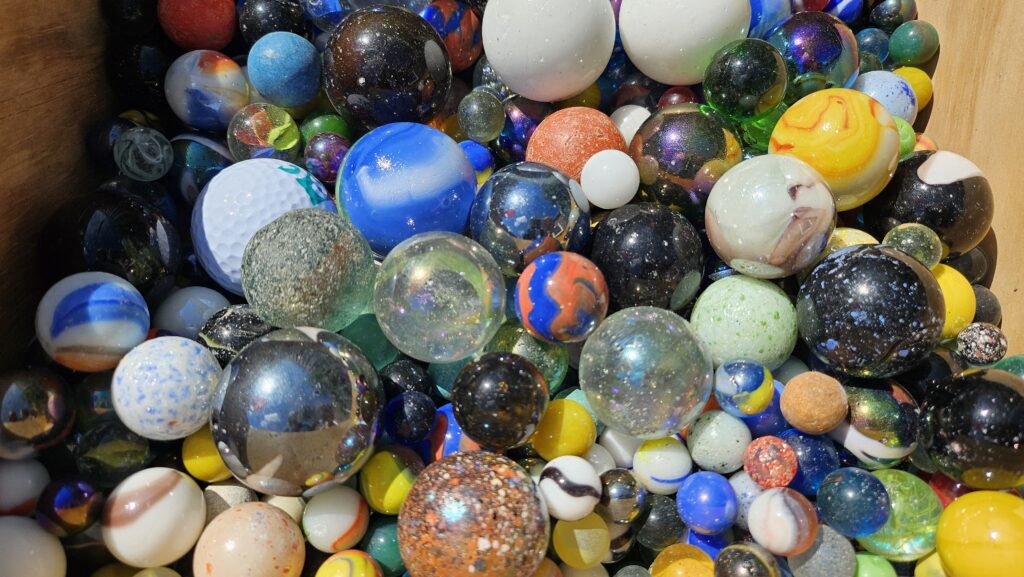
Even classic marbles (with my old primary school collection) get an upgrade with a two- and four-year-old. Because let’s be honest: rolling a marble boringly in a self-dug marble pot is for amateurs. It is much more fun to chase the marble out of the garden through a hole under the fence, so you officially have permission to open the gate and sprint into the alley to rescue it.
Once in that alley the mission changes immediately. Where an adult walks from A to B with a goal under time pressure, a child at that moment is beachcombing the sidewalk (stoepjutten in Dutch). The pavement is their shoreline and everything that washes up there is fuel for the next game (asset gathering). A discarded fabric flower? Treasure. A feather or a piece of polystyrene? That is not litter, that is a flagpole and a shield. It is the ultimate screen-free way a child scans their environment and tries to invent new uses for whatever they find.
Why the backyard is the real innovation lab
As an AI professional I see daily how we spend millions on computer models trying to simulate the physical world and apps meant to take over part of our work. But no algorithm can predict the pure chaos of a backyard. When my children prefer a sycamore seed pod over a ping pong ball, or chase a marble into the alley and get an excuse to sprint through the gate to rescue it, they do exactly what the best tech developers in the world do: they reverse-engineer their environment, just like we practice if-then logic on the sofa with picture books. They test the limits of the system, discover where the bugs are (like a crushed sycamore seed pod), and adapt their strategy in real time. The backyard is not just a play area; it is the most advanced, screen-free laboratory that exists, without any smart toys with sensors needing to be involved.
When tech does enter our home, I start with screen-free listening and the bedroom check.
Related articles
More articles on a similar topic.
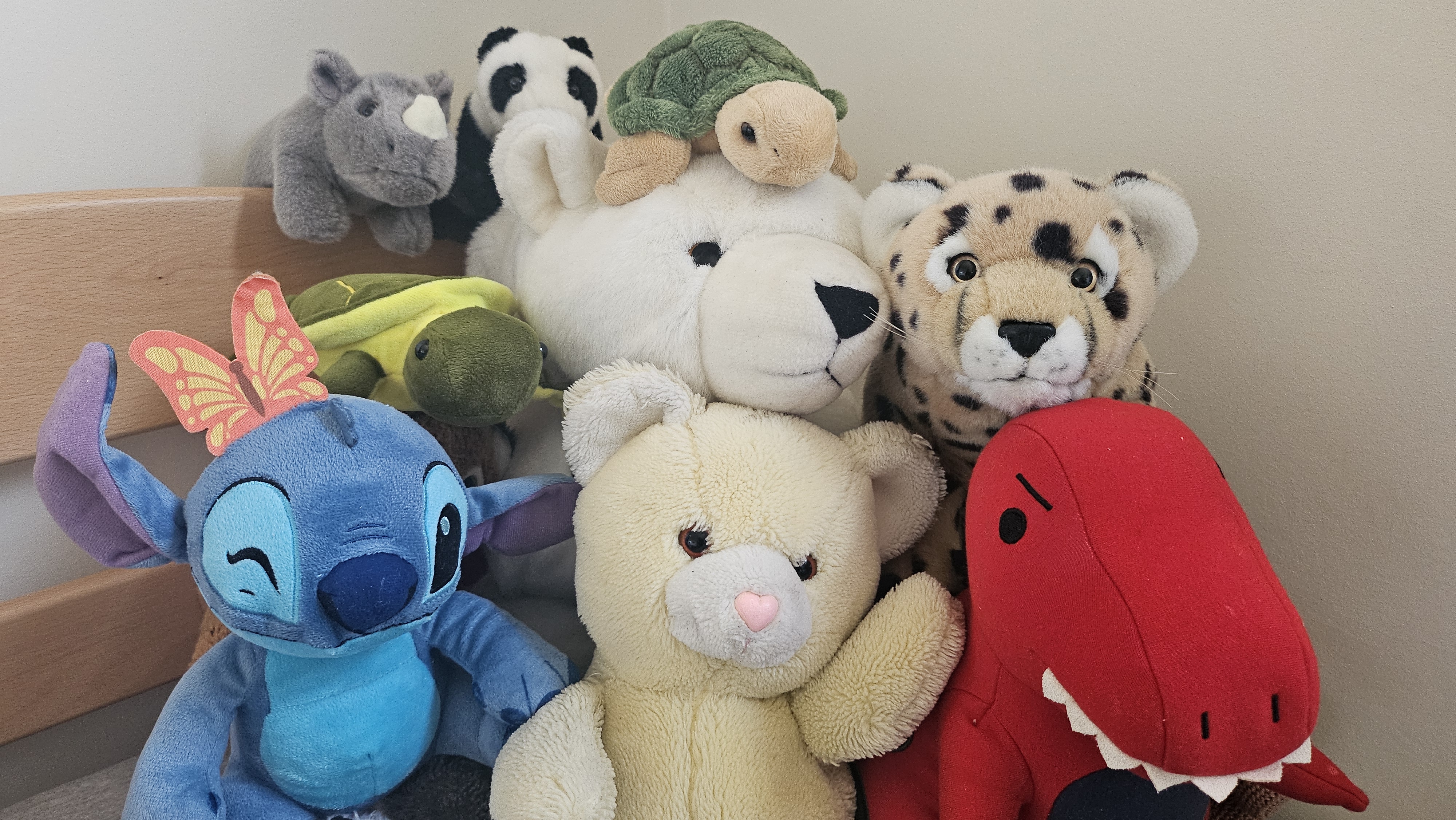
Buying an AI teddy? Five privacy questions before it enters the bedroom (2026)
Read more →
Comments (0)
No comments yet. Be the first!
Leave a comment
Comments are moderated before they appear.